Between Bridge Lifts: A Thames Timing Guide for London Yacht Buyers
A yacht viewing in London is often arranged around the buyer’s diary, the broker’s availability and the weather forecast. The river is treated as a backdrop. That is a mistake. The tidal Thames has its own operating rhythm, and a demonstration conducted without reference to tide height, current speed and bridge-lift windows can flatter a vessel or obscure a fault. For a 2026 purchase, the river’s timetable deserves a place beside the specification sheet.
The River Is Part of the Specification
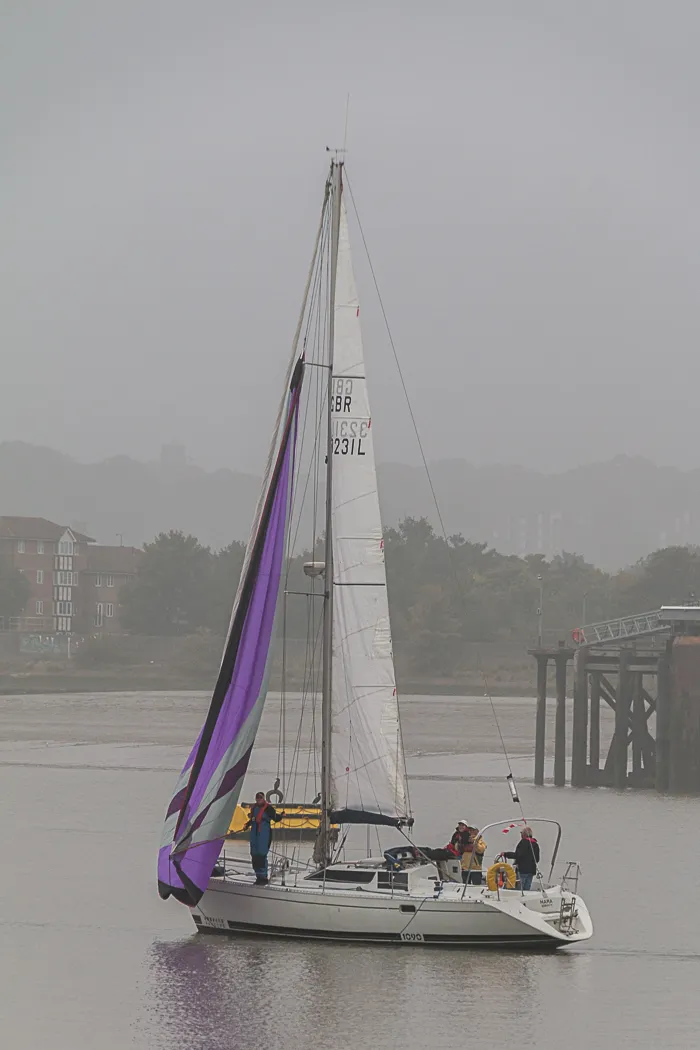
The Thames between Wandsworth and the estuary is not a benign test track. It is a working tidal river with commercial traffic, variable depths and a current that can run strongly on spring tides. A buyer inspecting a yacht afloat in London should ask for the tide table for the intended viewing date, the berth’s practical access arrangements and, where relevant, the bridge-lift schedule. These are not administrative details. They shape what can be seen, heard and assessed.
A viewing at high water may hide the lower sections of a pontoon or obscure the way a hull sits against a fender. A viewing at low water may expose access problems or reveal how a berth behaves when the river is drawn down. Neither is automatically the right moment. The point is to know which conditions you are buying into and to compare like with like.
What Slack Water Actually Shows You
Slack water is the period of least current movement, and it is the most useful window for low-speed handling. Manoeuvring in a marina or against a Thames pontoon becomes a clearer test of engine response, thruster authority and crew communication when the river is not pushing the hull. A buyer can see whether the yacht tracks predictably, whether the gear engagement is smooth and whether the helm feels connected or remote.
The window is short. London’s tidal pattern does not grant long pauses, particularly on spring tides. A demonstration that begins late may catch the first of the ebb and turn a controlled manoeuvre into a correction exercise. Buyers should ask the broker or yard to work to the tide rather than to the. If the schedule cannot accommodate slack water, that is useful information in itself.
Bridge Lifts and the Geometry of a Demonstration
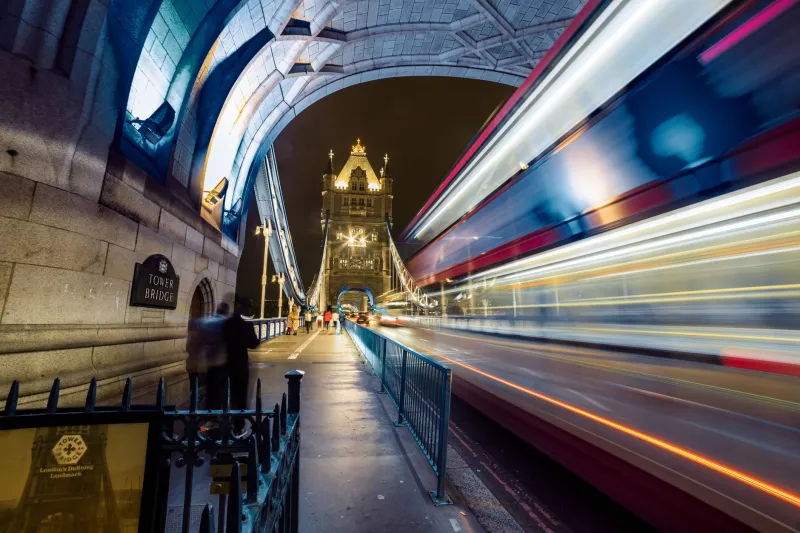
For larger yachts, air draft and bridge lifts are practical constraints, not romantic photo opportunities. Tower Bridge lifts are scheduled, and a vessel that needs a lift to pass upstream or downstream must fit the bridge’s operating pattern. The same applies to other fixed structures on the river. A buyer should establish early whether the yacht can pass under the bridges on the intended route at the intended tide, and whether a lift has been booked.
This matters for viewings because a demonstration route may be constrained by the bridge rather than by the yacht. If the vessel cannot reach a particular stretch of river without a lift, the trial may be confined to a shorter circuit. That is acceptable, provided it is understood in advance. It is not acceptable to discover at the pontoon that the planned route was never feasible.
Current, Wash and the Limits of a River Trial
The Thames can test low-speed control well. It cannot test open-water performance. A river trial should be understood as a berthing and manoeuvring assessment, not as a substitute for a sea trial in the estuary or beyond. Current speed, wash from commercial craft and confined water all limit what can be learned about seakeeping, range or high-speed behaviour.
Buyers should separate the two exercises. Use the London river trial to assess close-quarters handling, systems under load at low speed, noise in the marina and the practical business of coming alongside. Use a coastal or estuary trial for the vessel’s behaviour in open water. If a broker presents a Thames demonstration as a full sea trial, ask what has been omitted.
Berthing, Delivery and the Handover Window
Tide timing does not end at the trial. Delivery to a London berth, handover and acceptance all depend on water levels and access. A yacht that arrives at the wrong state of tide may wait, or may be handed over in conditions that make a proper inspection difficult. The handover should be scheduled with the same attention as the trial, ideally at a time when the buyer can see the vessel alongside, check systems and record the condition of the berth.
Insurance and acceptance terms should reflect the river’s variability. A buyer taking delivery in London should record the tide and weather conditions at handover, note any access limitations and confirm that the berth is suitable for the vessel at all states of tide. These are small administrative acts that can prevent larger disputes later.
A Practical Sequence for 2026
Begin with the tide table for the proposed date and identify the slack-water windows. Check bridge-lift availability if the route requires it. Confirm the berth’s access at the intended state of tide. Schedule the viewing so that the yacht can be seen in the conditions that matter, and keep a buffer for river traffic and weather. Record what the river was doing during the demonstration.
At the 2026 London Yacht, Jet & Prestige Car Show, buyers will see yachts presented in controlled conditions. The Thames will not be controlled. The most useful preparation is to treat the river as an instrument, not an obstacle, and to let its timetable inform the decisions made ashore.