Tide, Slot, Traffic: Choreographing a Three-Machine Demonstration Weekend in London
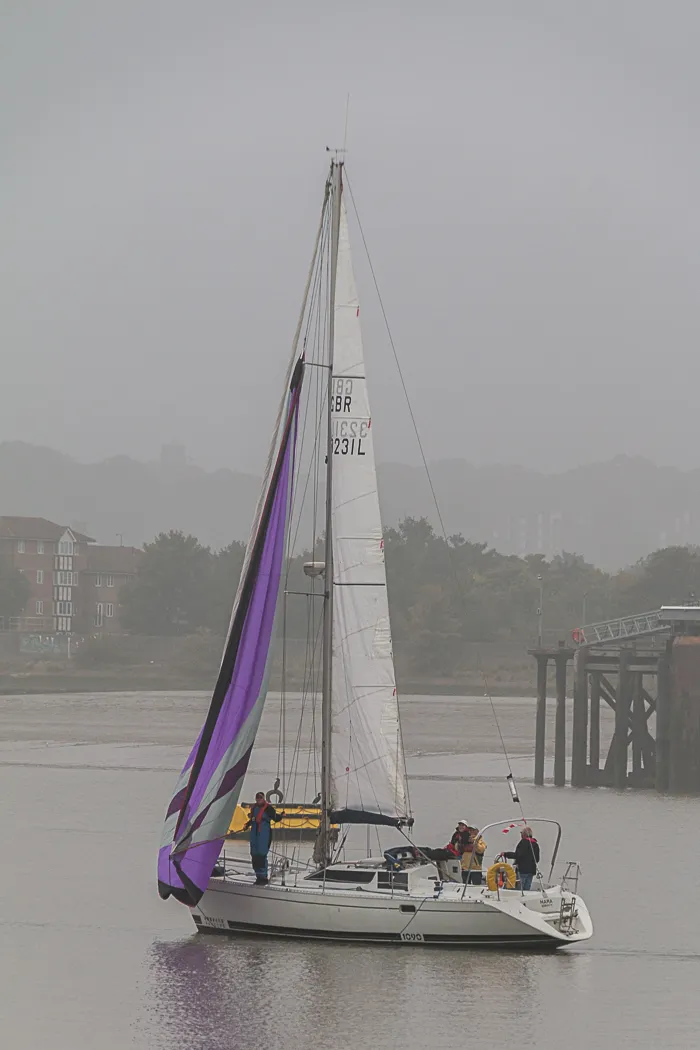
Photo: Christine Matthews , CC BY-SA 2.0, via Wikimedia Commons
A demonstration weekend is not simply three appointments placed back to back. On the Thames, a sea trial is governed by tide, river traffic and the availability of a berth. At a London-area business aviation airport, a test flight depends on slots, aircraft availability and the weather at both ends of the sortie. A prestige car test drive is the most flexible of the three, yet it is also the element most easily spoiled by fatigue and by routes that flatter the car rather than reveal it.
The practical answer is to sequence the weekend around the least flexible element first, then build the other two around it. For most buyers, that means the river trial takes primacy, the flight takes the slot that can be secured, and the car drive is placed where it can be judged in ordinary London conditions rather than on a motorway cruise.
Begin with constraints, not enthusiasm
Before any diary is circulated, three questions should be answered. First, what tide and bridge-lift windows are available for the vessel? Second, which airport can offer a demonstration flight without turning the day into a positioning exercise? Third, which car route will include the surfaces, traffic and speed limits that reflect actual use?
The Thames is not an offshore proving ground. A river trial is necessarily constrained by speed limits, wash restrictions and the movement of commercial traffic. That does not make it less useful. It makes it specific. A buyer learns how the vessel behaves at displacement speeds, how it berths, how systems behave under load and how the crew communicates. Those are the matters that a show-floor inspection cannot settle.
For aviation, London City, Farnborough, Biggin Hill, Luton and Blackbushe each present a different proposition. London City offers proximity but imposes its own operational requirements. Farnborough and Biggin Hill are familiar to business aviation and can be practical for a demonstration flight. Luton offers breadth of handling but can absorb time in surface movement. The airport should be chosen for the flight profile being tested, not simply for its distance from Mayfair.
Friday: one folder, one control sheet
Paperwork should be closed out before the weekend. For the vessel, that means the sea trial agreement, insurance confirmation, the skipper's credentials, the proposed route, the tide plan and a clear note of who is responsible for fuel, berthing and any post-trial defects. For the aircraft, it means the operator's confirmation, identification requirements, handling arrangements, security access and the intended sortie profile. For the car, it means insurance cover, licence checks, congestion charge and ULEZ arrangements where relevant, and agreement on the route.
A single control sheet is more useful than three separate email chains. It should list times, addresses, contact names, weather thresholds and the point at which each appointment will be postponed rather than rushed. The weekend should have one coordinator, even if three different specialists attend each element.
Saturday morning: the river decides
A morning river trial is often preferable because it leaves the afternoon free and because the river is usually calmer before leisure traffic builds. The buyer should arrive early enough to walk the berth, inspect the vessel cold and speak to the skipper before lines are cast off. A trial that begins with an engine already warm and a crew already in presentation mode reveals less.
On the water, listen for vibration, exhaust note and hull noise at different speeds. Watch how the vessel settles when thrust is applied and removed. Note the visibility from the helm, the reach of the controls and the behaviour of thrusters during a controlled berthing exercise. Ask for a period at low speed in confined water, because that is where many Thames owners spend most of their time.
Weather is a genuine constraint. Wind against tide can make a river trial uncomfortable and unrepresentative. Rain is less of an issue than visibility and gusting. If the skipper recommends shortening the route, accept the advice and move the unused time to a later inspection rather than pressing on for the sake of a schedule.
Saturday afternoon: the car in ordinary London
A prestige car test drive should not be a lap of a favoured bypass. The route should include a stretch of poor urban surface, a section of fast dual carriageway, a roundabout or two and a period of stop-start traffic. In London, that might mean leaving the showroom, heading for a section of the A3 or A40, then returning through residential streets where speed cushions and tight junctions expose ride quality and visibility.
The car should be judged when tired, not only when new. Seating, climate control, driver assistance systems and infotainment matter more after an hour than after ten minutes. The buyer should also test the car in the configuration that will be used most often: with a passenger, with luggage, or with the child seats that will actually be fitted.
Sunday: the flight and the slot
A demonstration flight is best treated as a cabin and operational test rather than a joyride. The buyer should note cabin noise at cruise, the ease of movement in the cabin, baggage capacity, connectivity and the behaviour of the aircraft during climb and descent. Ask about runway performance and range under the conditions proposed, not only in brochure figures.
Weather windows matter. Crosswinds, low cloud and icing conditions can cancel or truncate a demonstration at short notice. The buyer should agree in advance whether a shortened sortie still counts as a valid trial. If the flight is cancelled, the weekend should not collapse. The car drive can be extended, or the river trial revisited at a different state of tide.
The verdict after Monday
Three demonstrations in one weekend are useful only if they produce three separate verdicts. The sea trial answers questions about handling, crew and berthing. The flight answers questions about cabin utility and operational fit. The car drive answers questions about comfort, visibility and the reality of London roads.
The buyer should write notes on the Sunday evening, before the impressions blur. By Monday, the weekend should have narrowed the field rather than simply provided an enjoyable excursion. If it has done that, the sequence has worked.