Beyond the Stand: How London’s 2026 Luxury Show Reveals a Buyer’s Real Support Network
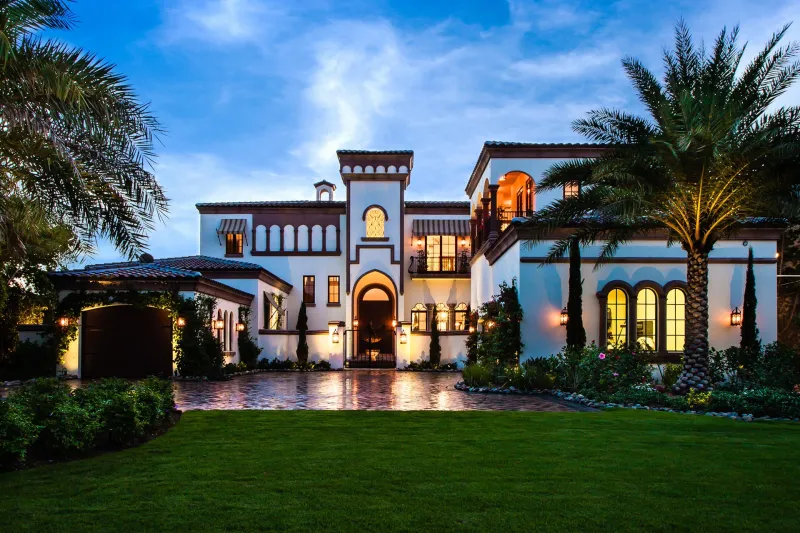
Photo: luxury event valet concierge security staff London exhibition service, via images4.alphacoders.com
At a London yacht, jet and prestige car show, the exhibits take the light. A hull catches the Thames light, an aircraft cabin is arranged for inspection, a car sits under low, careful lighting. Yet the experience is carried by people who rarely appear in the brochure: shuttle drivers, valets, security officers, florists, caterers, photographers and concierge staff. For a buyer, this less-visible layer deserves attention. It is a live sample of the support network that will surround an asset after purchase. The question is not whether it looks expensive. It is whether it works when a schedule slips, a guest list changes or a car arrives with a mark that was not there before.
Begin at the kerb, not the stand
The first test comes before the exhibition hall. A shuttle that arrives late, a driver who does not know the drop-off point, or a dispatch desk that cannot confirm a return journey tells you something about planning discipline. In London, this matters. Congestion, road closures and event-day restrictions are ordinary conditions, not exceptions. A well-run operation will have a named transport manager, a clear route plan and a contingency for late arrivals. Ask who coordinates the vehicles, how drivers are briefed and what happens if a guest is delayed. The answers should be specific. If they are vague at the kerb, they are unlikely to become precise at the quayside or the hangar.
The valet as the first custody test
A valet desk is not merely a convenience. It is a custody arrangement in miniature. The moment keys change hands, questions of condition, insurance, storage and retrieval come into play. Watch how the desk records a vehicle’s arrival. Is there a walk-round inspection, a written note of existing marks and a clear ticket system? Can the staff explain who holds the keys, where they are kept and which insurer covers the movement? A polished greeting is pleasant; a documented handover is better. For a buyer, this is a useful rehearsal for the questions that will arise when a prestige car is delivered to a London address, stored in a secure facility or moved between appointments.
Security that is discreet and documented
Good event security is rarely loud. It is visible enough to reassure and quiet enough not to intrude. The audit should look beyond presence. Ask how access is controlled, how guest lists are reconciled and how incidents are logged. A security team that can describe its radio protocol, its escalation path and its data protection practice is more convincing than one that simply stands at a door. The same standard applies to a private collection. Discretion is valuable, but it must sit alongside records. If a provider cannot explain how it accounts for people, keys or vehicles, the omission is worth noting.
Flowers, food and the tell of preparation
Florists and caterers seem peripheral to a yacht, jet or car purchase. In practice, they expose how well an operation manages time, temperature and people. Are arrangements installed before the doors open, or repaired in view of guests? Are allergen records kept? Is there a named catering lead, a staffing ratio and a plan for waste? These are not trivial details. They reveal whether the organisers understand that luxury is a sequence of small, reliable acts. A buyer should apply the same lens to a broker, dealer or management company. Ask who coordinates the various suppliers, who owns the schedule and who is accountable when one part of the chain runs late.
The photographer’s brief and the paper trail
A photographer at a luxury show is not only producing images for the following year’s brochure. The role also involves consent, access, delivery deadlines and archive discipline. A professional will know who owns the images, how subjects are briefed and when the files will be available. That may seem remote from buying a yacht or a jet, but documentation is central to ownership. Handover photographs, condition reports and movement records all depend on the same habits. If the image workflow is chaotic, ask whether the same team would manage the evidence of a delivery or a charter. The question is fair, and the answer is revealing.
Concierge desks and the escalation path
A concierge desk is often judged by the smallest request. Can it confirm a car at short notice? Can it reach a named contact after hours? Can it explain what happens when the first option fails? The test is not whether staff are charming, but whether they can escalate. Look for a named account lead, a response time and a written handover. Then ask how the desk records requests and complaints. A buyer’s own support network should meet the same standard. Whether the asset is a Thames berth, a private jet share or a prestige car in underground storage, there must be someone who owns the problem when normal arrangements break down.
From show floor to ownership
The value of this audit is comparative. A show gives a buyer the chance to observe several providers in one day, under pressure, with the public watching. That is useful evidence. It should inform the questions put to a broker, a marina, an aircraft operator or a storage specialist. Ask who performs the service, who supervises it and who answers out of hours. Ask for service-level agreements, insurance certificates and an escalation matrix. Ask what happens after the event, when the lights are off and the stand has been dismantled. The answers will separate polish from operational depth.
A simple audit sheet for the 2026 season
A buyer can keep a short record of each touchpoint: transport, valet, security, catering, photography and concierge. For each, note what was promised, what was observed and what evidence was offered. Then translate the observation into a question for the eventual provider. Did the valet document condition? Did security explain access control? Did the concierge name an escalation contact? A page of notes is enough. The purpose is not to catch anyone out, but to build a habit of verification before commitment.
London’s 2026 luxury show will present many beautiful objects. The more durable signal lies in the people who move, guard, serve and document them. A buyer who reads that layer carefully will arrive at the negotiation better prepared, and will leave with a clearer sense of the network that will matter long after the exhibition closes.