The Tarmac Is the Tell: London's Luxury Transfer Chain Needs a Rethink
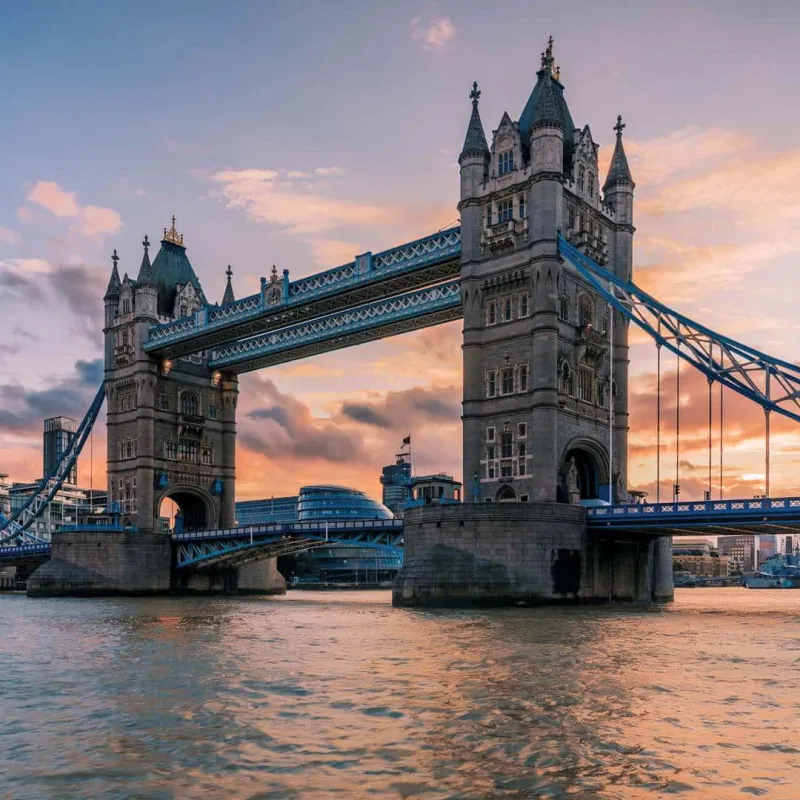
Photo: London heliport private jet chauffeured car yacht luxury transfer, via wallpapers.com
The luxury transfer is usually sold as a chain of elegant machines. A private jet lands, a helicopter lifts away, a chauffeured car glides through the streets and a yacht waits at the berth. Each element is photographed beautifully and priced accordingly. The problem is that the chain is only as strong as its least glamorous moment, and in London that moment is very often the tarmac in between.
The promise and the weak link
Anyone who has arranged a multi-leg journey through London knows the pattern. The aircraft arrives on schedule, but the helicopter slot is not available. The helicopter lands, but the car is held in traffic. The car reaches the marina, but the lock is on the tide and the yacht cannot take the guests for another hour. Each operator has performed its own task competently. The journey has still failed as a journey.
This is not a marginal issue. It is the central issue for London's luxury transfer economy in 2026. The city has an extraordinary concentration of private aviation gateways, heliports, chauffeur services and marina berths. What it lacks is a coherent way of joining them together. The result is a market that sells speed and discretion while leaving the client to manage the seams.
Slots, streets and tide times
The bottlenecks are well known to operators and less well understood by buyers. Helicopter slots are finite, particularly at the London Heliport at Battersea, and weather, curfews and air traffic can move a slot at short notice. Private jet arrivals at Farnborough, Luton, Stansted or Biggin Hill may be smooth in themselves, but the road journey into central London is subject to congestion, roadworks, events and the simple physics of a city that was not designed around the motorcar.
Marina access adds another layer. A yacht berthed at St Katharine Docks, Chelsea Harbour or within the wider Thames system may be reachable by road, but the final approach can be constrained by security, pedestrian traffic, bridge heights and tide-limited locks. The Solent is more generous, but it is still a working harbour with its own rhythms. A transfer that looks straightforward on a map can become a negotiation with a harbour master, a lock keeper and a traffic management system.
What integrated operators are getting right
The best operators in London are not necessarily the ones with the largest fleets. They are the ones that take responsibility for the whole chain rather than a single leg. That means building slack into the schedule, holding a car at the heliport rather than dispatching it on demand, and maintaining direct lines to marina berthing teams. It means telling the client when the plan is under stress before the client discovers it on the tarmac.
Some are going further. They are offering single points of contact, integrated billing and pre-cleared access arrangements. They are using fixed-base operators as concierge hubs rather than simply as handling agents. They are training chauffeurs to work with helicopter and yacht crews, so that luggage, security and timing are managed as one process. These are unglamorous improvements, but they are the ones that make a genuine difference.
What London buyers should demand in 2026
A buyer arranging a multimillion-pound journey should not be asked to behave like a dispatcher. The first demand should be a single accountable operator or a clearly nominated lead party. The second should be a written transfer plan that identifies every handover point, every fallback and every contact. The third should be realistic timing: if the helicopter slot is tight, the plan should say so rather than pretend otherwise.
Buyers should also ask harder questions about the ground segment. What is the contingency if the helicopter is delayed? Is the car held on standby or released? Can the yacht move its berth, and at what notice? Who is responsible for luggage, security and customs if the plan changes? These questions are not signs of distrust. They are the basis of a professional service.
The case for a single point of accountability
London does not need a new mode of transport. It needs a better contract between the modes it already has. The luxury transfer economy has matured to the point where the machines are rarely the problem. The problem is the space between them: the kerbside, the holding area, the lock gate and the waiting room.
The operators who understand this will win the next decade. The buyers who insist on it will get the journeys they thought they were paying for. The tarmac is the tell. If the ground segment is an afterthought, the whole chain is an afterthought, however beautiful the aircraft and however polished the yacht.