Berths, Bridges and the Bottom Line: Mooring a 50-Metre Yacht in London in 2026
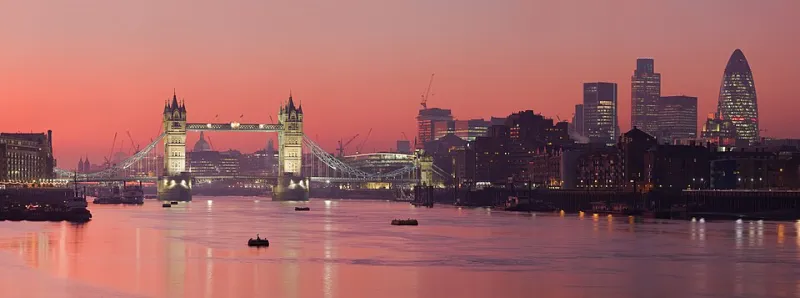
Photo: Guywestern, CC BY-SA 4.0, via Wikimedia Commons
London has an undeniable pull for owners cruising northern Europe. A berth within sight of Tower Bridge or the Canary Wharf skyline offers a backdrop that few Mediterranean marinas can match. Yet the Thames is a working tidal river, not a purpose-built superyacht harbour. For a 50-metre vessel, arrival requires planning, patience and a clear understanding of what the capital can and cannot provide.
The Geography of a Thames Berth
A 50-metre yacht cannot simply select a convenient postcode. The realistic options fall into three broad groups: central London pier moorings, the enclosed docks to the east, and outer-Thames or downstream facilities used as staging points.
Central London piers, including operators around Butler's Wharf and London Bridge City, offer the closest approximation to a city-centre berth. They suit short stays, entertaining and guest access, but availability is limited, berths are often alongside working piers, and shore power, waste handling and privacy must be confirmed case by case. St Katharine Docks is charming but generally too constrained for a 50-metre yacht, while West India and Royal Docks provide more space at the cost of lock timings and a less immediate West End feel.
The Royal Docks are the most credible option for a longer London programme. Royal Victoria Dock and Royal Albert Dock can accommodate larger vessels, with road access, security and space for support vehicles. The trade-off is a lock transit and a less central location. Greenwich Ship Tier and downstream facilities such as Tilbury are useful for repositioning, bunkering or crew changes, but they are not substitutes for a central London berth.
What It Really Costs
Indicative 2026 pricing for a 50-metre yacht in London varies sharply by location, season and duration. Central pier moorings might be quoted at £2,500 to £5,000 per day, with premium periods and event weeks at the upper end. Enclosed docks may range from £1,200 to £2,500 per day on a comparable basis, while longer-term agreements can reduce the day rate but rarely make London inexpensive.
These figures are only the berthing element. Owners should budget for Port of London Authority conservancy charges, pilotage where required, agent fees, security, shore power, fresh water, waste removal and launch or tender operations. A central London stay can easily add 20 to 35 per cent to the headline berth cost once ancillary services are included. Insurance and risk assessments may also require amendment for a tidal river berth.
Tides, Bridges and the Art of Timing
The Thames is tidal through London, and a 50-metre yacht must work with the river rather than against it. Air draft, water depth and bridge clearance all interact. A vessel that passes comfortably at low water may not do so at high tide, and the reverse can apply to air draft. Bridge lifts, particularly at Tower Bridge, must be booked and are subject to operational windows. They are not a casual convenience.
The Thames Barrier and associated controls add another layer of planning. Arrivals should be scheduled with a margin for weather, traffic and lock availability. A broker or agent with Thames experience is not a luxury; it is essential. The cost of a missed tide or bridge slot can be measured in hours, fuel and disrupted guest itineraries.
The Hidden Logistics
A 50-metre yacht in London is a small business. Crew need access, provisions must be delivered through congested streets, and security must be proportionate to the location. Guest transfers by tender or car require pre-arranged pick-up points. Waste and bilge water are regulated matters, not afterthoughts. Noise and generator restrictions may apply, particularly in residential or event-sensitive areas.
Provisioning is manageable but should be planned around London traffic and delivery windows. Fuel bunkering is usually arranged downstream or by road tanker, depending on the berth. Owners planning receptions should confirm power capacity, catering access and guest disembarkation arrangements well in advance.
A Broker's Checklist
Before committing to a London berth, confirm the exact vessel dimensions, air draft and draft against the proposed location. Obtain written confirmation of availability, not a verbal indication. Book bridge lifts and lock transits as early as possible. Appoint a local agent with Thames experience. Budget for ancillary charges rather than treating the berth fee as the total cost. Finally, build a contingency day into the itinerary; the Thames rewards those who respect its rhythms.
London remains a compelling destination for a 50-metre yacht in 2026. It is not a simple one. The owners who enjoy it most are those who treat the river as an operational environment first and a backdrop second.