Cover Without Cracks: Insuring a Mixed Yacht, Jet and Car Collection in 2026
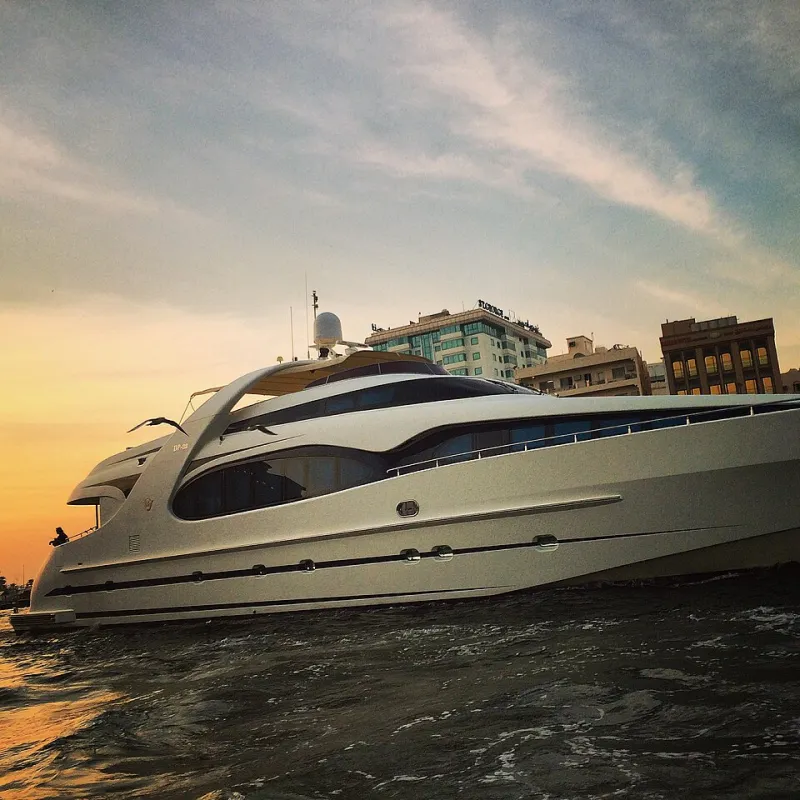
Photo: Getsijas, CC BY-SA 4.0, via Wikimedia Commons
Insurance for a mixed collection is less about buying three policies than about proving, at the moment of loss, that the right policy responds and that the others step out of the way. A yacht on the Thames or the Solent, a jet based at Farnborough or Luton and a car collection stored in west London may sit with three different insurers, three broking teams and three sets of warranties. In 2026 the discipline is to map the seams before renewal, not after a claim.
Begin with a schedule, not a quote
The first document should be an asset schedule, not a premium indication. For the yacht, that means hull and machinery, tender and toys, mooring equipment, navigation and communication kit, and any owner-supplied spares. For the jet, it means airframe, engines, APU, avionics, interior and any leased or financed equipment. For the cars, it means each vehicle, its agreed value, storage location, mileage parameters, modifications and whether it is used for touring, track days or chauffeur duties.
The schedule should also show ownership. Is the yacht held by a company, a syndicate or a trust? Is the jet managed by an operator? Are the cars owned personally but stored in a facility operated by a third party? Names insured, additional insureds, loss payees and finance parties all need to align. A policy that is perfectly adequate for a single owner can develop gaps when a management company, a marina operator or a storage provider is added to the chain.
Agreed value is a discipline, not a vanity
Agreed-value cover is common across all three asset classes, but it is only as good as the evidence behind it. Yacht valuations should be refreshed every two or three years and should reflect the specification, refit history and condition of the vessel, not simply the purchase price. Jet valuations need to recognise airframe hours, engine cycles, maintenance status and the effect of any interior or connectivity upgrades. Car collections need condition reports, photographs, service records and a realistic view of mileage and originality.
The trap is the average clause. If a car is insured for less than its true value, or a yacht is valued without its tender and toys, the insurer may reduce a claim in proportion. The same risk exists where a jet is insured on a market-value basis but the owner assumes an agreed figure applies. The answer is not to inflate values; it is to document them and to revisit them when the collection changes.
The liability seams
Hull, machinery and motor policies deal with damage to the asset. Liability is where the three-asset collection becomes genuinely complicated. A guest injured at a marina, a car damaged while being loaded for a European tour, or a jet handling incident involving a third party can all trigger more than one policy. Personal umbrella liability may exclude aircraft and watercraft, or may apply only after specific underlying limits are exhausted.
Owners should ask for cross-liability and severability wording, particularly where family members or corporate entities are insured under one programme. Waivers of subrogation between the insurers can prevent one policy from pursuing another after a loss. The objective is not to duplicate cover; it is to make clear which policy sits first, which sits excess and which is excluded altogether. A single coordinating broker is useful here, but only if that broker has access to the aviation, marine and motor markets and is prepared to document the hierarchy.
Crew, pilots and the warranty trap
Marine and aviation policies are full of conditions that depend on people. A yacht policy may require a professional skipper, specified crew qualifications or a minimum number of qualified hands on board. A jet policy may require named pilots, current type ratings, valid medicals and recurrent training, or may depend on an approved management company maintaining the aircraft. These are not administrative details. If an unqualified pilot or an undeclared crew arrangement is involved in a loss, the insurer may decline or reduce the claim.
The same applies to disclosure. A change of base, a new captain, a revised charter arrangement, a modification to the aircraft or a car that is lent to a friend can all be material. The Insurance Act 2015 requires a fair presentation of risk, which means telling the insurer what a prudent underwriter would want to know, not simply answering the questions on the proposal form. The burden is easier to meet when the owner keeps a single annual fact file covering all three assets.
Marinas, hangars and storage conditions
Storage warranties are where many claims are won or lost. A marina warranty may require an approved berth, adequate mooring lines and fenders, a storm plan and a watchman or security arrangement. A hangar warranty may require an approved facility with fire suppression, secure access and no maintenance work without notification. Car storage warranties may require a professional facility, battery conditioning, flood protection and key security.
Owners should read these conditions as operational instructions, not as boilerplate. If the yacht moves to a new marina for the summer, if the jet is temporarily based at a different airfield, or if the cars are moved to a shows or tour, the insurer should be told. A storage location that was acceptable at inception may not be acceptable after a change of operator or a change in the building's fire arrangements.
Disclosure surfaces at claim time
Most disputes do not begin with a dishonest answer. They begin with an assumption that a detail was too small to mention. A previous minor claim, a speeding conviction, a modification, a period of charter use, a change of mooring or a new driver can all be material to the underwriter. The remedy is a disciplined annual review: update the schedule, re-read the warranties, confirm the storage arrangements and test the notification process before a loss occurs.
At the London Yacht, Jet & Prestige Car Show, the insurance conversations that matter are rarely about premium alone. They are about whether the programme holds together when the yacht, the jet and the cars are exposed to the same event, the same guest or the same reputational risk. In 2026, cover without cracks is a documentation exercise first and a purchasing exercise second.