What the Broker Hears: London's Yacht Buying Conversations in 2026

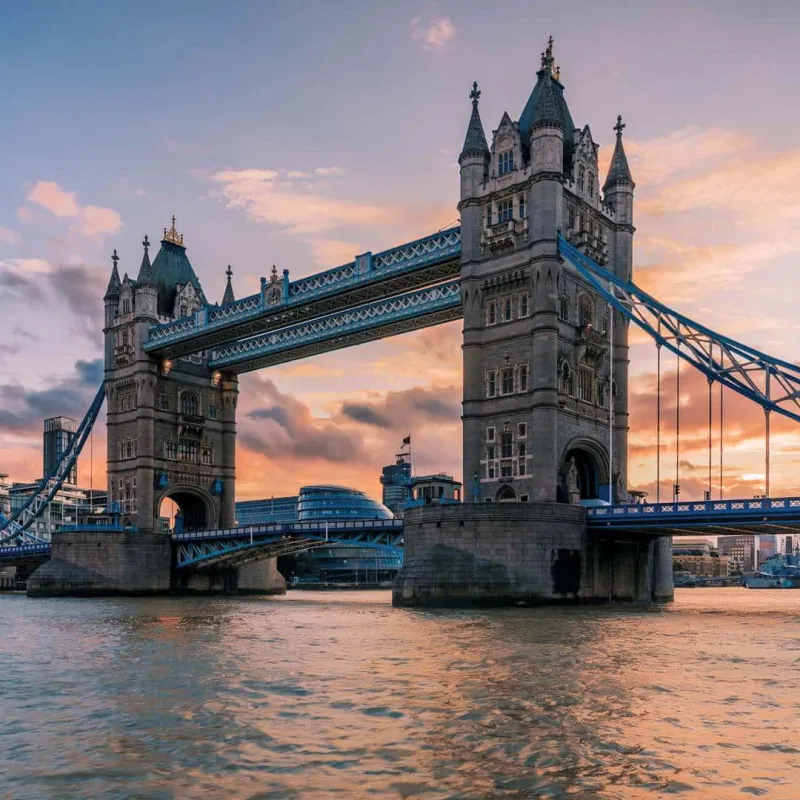
Photo: London yacht brokers pontoon Thames river boats 2026, via www.solitarytraveller.com
London's yacht market has always had a double life. At the pontoons, the conversation is about the Thames; in the salons, it is about the Mediterranean, the Caribbean and the charter season beyond. In 2026, brokers say that split is no longer a quirk of geography. It is the organising principle of the London buying conversation.
A Market Measured in Conversations
A broker at a London-based brokerage, speaking on the condition that the firm was not named, said: 'The first question used to be where the berth was. Now it is what the boat is for.' That shift sounds small. In practice, it changes everything from length to layout, from propulsion to crew.
Buyers are arriving with a programme rather than a postcode. Some want a river-capable cruiser for weekends on the Thames. Others want a yacht that will spend its life in the Solent, the Mediterranean or the Caribbean, but they want to specify it through London because that is where they can compare design, finance, management and resale advice in one place. The capital is becoming a buyer-discovery market, not merely a place to keep a boat.
The Thames-Ready Brief
For buyers who intend to use the river, specifications have tightened. Shallow draft and low air draft are baseline requirements, not optional extras. Locks, bridges and the tidal range concentrate the mind. So does the simple reality of urban boating: sound insulation, easy handling, shade, cooling and robust fendering matter more than a glossy brochure photograph.
One buyer who recently moved from a larger coastal cruiser to a river-capable day boat said the change was about use, not ambition. 'I wanted a boat that could do a Saturday lunch in town and a weekend downstream without becoming a project,' he said. That sentiment is common. London buyers are asking for boats that are simple to run, comfortable for guests and quiet enough for conversation.
Brokers report growing interest in day boats and river-capable cruisers with a cabin for occasional overnights. Hybrid and electric propulsion attract attention where charging and range allow, but the deciding factors remain practical: access, comfort and the confidence to use the boat often.
The Superyacht Bought Elsewhere
At the other end of the market, London brokers are increasingly selling yachts that will never see the Thames. These are Mediterranean or Caribbean programmes: beach clubs, tender garages, crew accommodation, range and stabilisation. The purchase may complete in Genoa, Palma or Fort Lauderdale, but the brief is often written in London.
A broker who advises UK buyers on international purchases said: 'London is where the brief is written, not always where the yacht is kept.' That is a useful distinction. The city's professional services base makes it natural for buyers to compare naval architects, managers, lawyers and finance providers before committing to a yard and a specification.
Ownership Structures Under Scrutiny
Ownership structure is no longer an afterthought. Buyers ask about shared ownership, syndicates and managed programmes with more precision than they did a few years ago. They want to know how decisions are made, how costs are shared and how an exit works. Company ownership, flag and VAT status arise where relevant, always with professional advice.
This is not because London buyers are more cautious by nature. It is because the market has become more transparent. Brokers who can explain the trade-offs between outright ownership, shared use and managed charter tend to hold the conversation longer. Those who cannot are finding that buyers move on quickly.
Usage Patterns and the Discovery Effect
Usage is the thread that runs through every specification decision. A Thames boat is measured in short trips, low hours, entertaining and weather flexibility. A coastal or international yacht is measured in longer passages, crew, charter potential and refit cycles. The mistake is to specify one for the other.
London's role is to help buyers see that distinction clearly. A buyer may arrive thinking about a berth and leave thinking about a five-year plan. The Thames is becoming a buyer-discovery market rather than just a mooring market, and that is healthy for brokers who can translate a river weekend into a broader ownership strategy.
What Buyers Are Asking Now
The questions in 2026 are direct. What does a season actually cost? How long is the wait for a berth? Which specification protects resale? Can the boat be managed remotely? What is the exit route if circumstances change?
Brokers say transparency is the new luxury. The pontoon view is not one market but three: river, coastal and international. London's value lies in helping buyers choose which one they are really in before they sign.